
How a Skateboard Graphic Is Printed and Why It Matters
Skateboard graphics are printed onto deck surfaces using methods such as screen printing, heat transfer, and digital printing. Each process affects the artwork’s colour, detail, finish, consistency, and durability.
Understanding how skateboard graphics are printed helps buyers compare deck print quality, recognise production differences, and choose designs that suit riding or display. From pop culture references and street art influence to collectible limited designs, skateboard graphics connect visual creativity with skateboarding subculture. This guide explains the main printing methods and why they matter.
What Are Skateboard Graphics?
Skateboard graphics are visual designs applied to the deck, usually across its underside, to give the board a distinctive appearance. They include brand logos, illustrations, typography, photographs, patterns, characters, and original artwork.
A skateboard graphic does more than decorate the wood. It communicates the identity of a skate brand, reflects the rider’s taste, and connects the deck with wider creative movements. Designs inspired by music, street art, films, and pop culture references have helped make skateboard decks recognisable beyond skateparks.
The printing method determines how the artwork moves from a digital or physical design onto the curved wooden surface. That is why understanding how skateboard graphics are printed matters when comparing different decks.
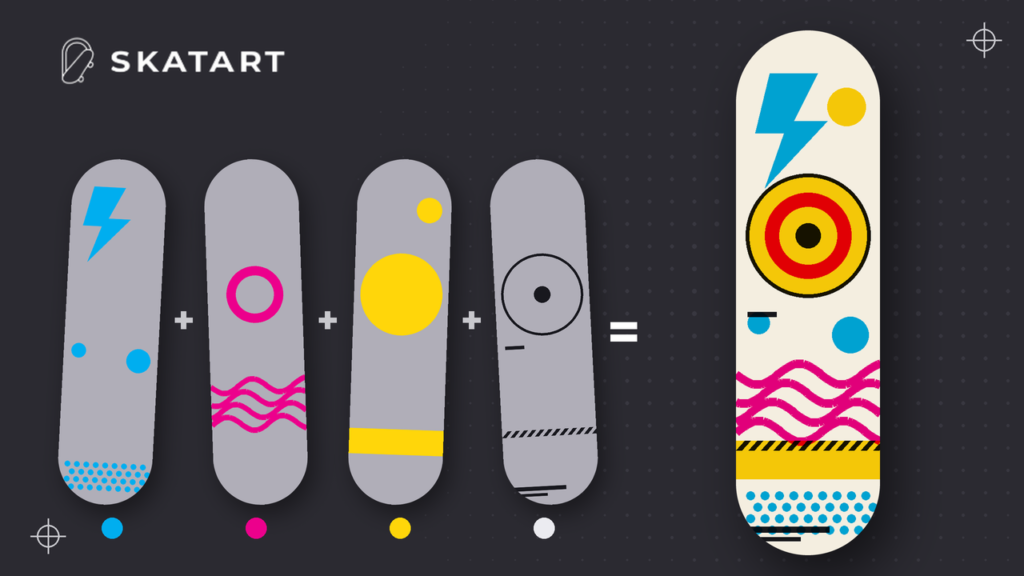
How Are Skateboard Graphics Printed?
Skateboard graphics are commonly applied through heat transfer printing, direct screen printing, or digitally printed transfers. Manufacturers select a process according to the artwork, deck shape, production quantity, and required finish.
Heat Transfer Deck Print
Heat transfer deck print uses a preprinted carrier sheet to move artwork onto the skateboard. The graphic is printed in reverse onto a transfer material, positioned against the prepared deck, and applied using controlled heat and pressure.
The process generally follows these steps:
- Prepare the artwork: The design is arranged to match the deck’s dimensions and shape.
- Print the transfer: The artwork is printed onto a suitable carrier sheet using compatible inks.
- Prepare the deck: The deck surface receives the required coating or finish for the transfer process.
- Position the sheet: The printed transfer is aligned carefully with the deck.
- Apply heat and pressure: A specialised roller or press transfers the ink onto the prepared surface.
- Remove the carrier: The carrier material is peeled away after transfer.
- Inspect the graphic: The finished deck is checked for alignment, colour consistency, and print defects.
Heat transfer works well for full-deck designs, detailed illustrations, gradients, and multicolour artwork. The process also helps manufacturers apply graphics across curved deck surfaces.
Screen Printed Skateboard Graphics
A screen printed skateboard graphic uses a mesh screen and stencil to apply ink to a surface. Each colour generally requires a separate screen or printing stage, so the artwork must be prepared for accurate colour registration.
Screen printing is particularly suitable for bold shapes, solid colours, simple illustrations, and designs with defined outlines. It can produce strong visual contrast and a distinctive printed finish.
Direct screen printing onto a finished skateboard has limitations because the deck is curved and shaped. Keeping the screen in consistent contact with the surface is difficult, particularly around the nose, tail, and concave sections.
Manufacturers also use screen printing to create transfers before applying graphics to decks. Therefore, a heat-transferred graphic can still involve screen printing during production.
Digital Printing
Digital printing produces artwork from a digital file and supports complex designs with detailed colour transitions. Manufacturers can print digital artwork onto a transfer carrier before applying it to the skateboard.
This method suits photographic images, gradients, fine lines, and illustrations containing multiple colours. It also allows design changes without preparing a separate physical screen for every artwork.
Digital printing does not automatically guarantee better deck print quality. The final result depends on file resolution, colour management, ink compatibility, surface preparation, and the transfer process.
What Determines Skateboard Deck Print Quality?
Skateboard deck print quality depends on artwork preparation, printing accuracy, surface condition, ink compatibility, and finishing. A good design can look poor when the production process does not reproduce its details correctly.
Five factors influence the finished graphic:
- Image resolution: High-resolution artwork preserves fine lines and small details.
- Colour accuracy: Proper colour management helps printed shades match the approved design.
- Registration: Accurate alignment prevents colours and graphic elements from appearing misplaced.
- Surface preparation: A clean, compatible deck coating supports consistent ink application.
- Finishing: Suitable protective coatings and careful handling help maintain the printed appearance.
Colour differences also occur between computer screens and physical prints. Screens use light-based RGB colours, while common printing workflows use ink-based colour systems such as CMYK. A design that looks bright on a backlit monitor can appear different when printed.
For this reason, manufacturers often check physical samples before approving a production run. Buyers comparing custom decks can ask about the printing process, materials, and finish rather than judging quality from a screen image alone.
Why Do Skateboard Graphics Matter?
Skateboard graphics matter because they connect a functional sports product with personal expression, visual culture, and collecting. A deck carries artwork into skateparks, streets, shops, and homes, making its design part of the wider skateboarding identity.
Graphics Express Skateboarding Subculture
Skateboarding has a strong connection with independent art, music, fashion, photography, and street culture. Deck graphics bring these influences together through illustrations, slogans, symbols, and visual experiments.
A rider can choose a graphic that reflects personal interests or a particular skateboarding identity. A bold typographic design communicates a different mood from a detailed illustration or an abstract pattern.
Pop Culture References Give Designs Context
Pop culture references connect skateboard graphics with familiar themes from entertainment, music, and everyday visual culture. Artists use these influences to create designs that feel recognisable while adding their own interpretation.
The reference can also give a deck a stronger story. Collectors often pay attention to the artist, release period, design concept, and cultural context when choosing a graphic.
Deck Graphics Support Collectibility
Deck graphics contribute to collectibility through their artwork, edition details, artist involvement, brand history, and condition. A limited release from a recognised artist can attract attention because buyers value the design and its production history.
However, an attractive graphic does not guarantee future resale value. Authenticity, demand, rarity, condition, and documented release information all influence how collectors assess a deck.
How Does Street Art Influence Skateboard Graphics?
Street art influences skateboard graphics through bold lettering, expressive characters, hand-drawn illustrations, layered textures, and unconventional compositions. These visual approaches suit skateboarding’s connection with public spaces and independent creative communities.
Artists often adapt techniques associated with graffiti, poster art, stencil work, and mural painting. The resulting designs can transform a standard wooden deck into a portable art surface.
This influence also creates opportunities for collaboration between skateboard brands and independent artists. A deck can introduce an artist’s work to a new audience while giving skateboarders access to distinctive visual designs.
How to Choose a Skateboard Based on Its Graphic
Choose a skateboard graphic by considering its design, printing quality, deck construction, and intended use. A visually attractive print is important, but the deck must also suit your riding requirements.
Check these details before buying:
- Review the artwork: Look for clear details, balanced colours, and clean alignment.
- Understand the print method: Check whether the deck uses screen printing, heat transfer, or digital transfer.
- Inspect the finish: Look for visible peeling, smudging, uneven colour, or damaged edges.
- Check the deck specifications: Compare width, shape, construction, and intended riding style.
- Consider the purpose: Choose a functional deck for skating or a display-focused piece for your interior.
Explore The Story page to learn about the creative direction behind the designs. Browse Skateboard Wall Art for display-focused artwork and Skateboard Art for designs connected with skateboarding culture.
How to Protect Printed Skateboard Graphics
Protect printed skateboard graphics by limiting unnecessary abrasion, moisture exposure, direct sunlight, and rough storage. The right care depends on whether the deck is used for skating or kept as a collectible display.
For a riding deck, scratches and graphic wear are part of regular use. Avoid scraping the underside unnecessarily, store the board in a dry place, and keep it away from prolonged moisture.
For a display deck, use a secure wall mount or suitable display case. Keep the artwork away from direct sunlight and excessive heat, and avoid placing pressure on the printed surface. These precautions help preserve its appearance.
Final Thoughts on How Skateboard Graphics Are Printed
Understanding how skateboard graphics are printed helps buyers recognise the differences between screen printing, heat transfer, and digital printing. Each method has its own strengths, and the final deck print quality depends on artwork preparation, materials, surface treatment, and production accuracy.
Skateboard graphics also carry meaning beyond decoration. They represent creative identity, pop culture references, street art influence, and the history of skateboarding subculture. Whether you ride your deck or collect it as wall art, the graphic is an important part of its character.
Explore new designs and Shop this month’s skateboards to find artwork that brings together skateboarding culture and creative expression.
